Essay 631 • Nov 15th 2026
- by Peter Biro
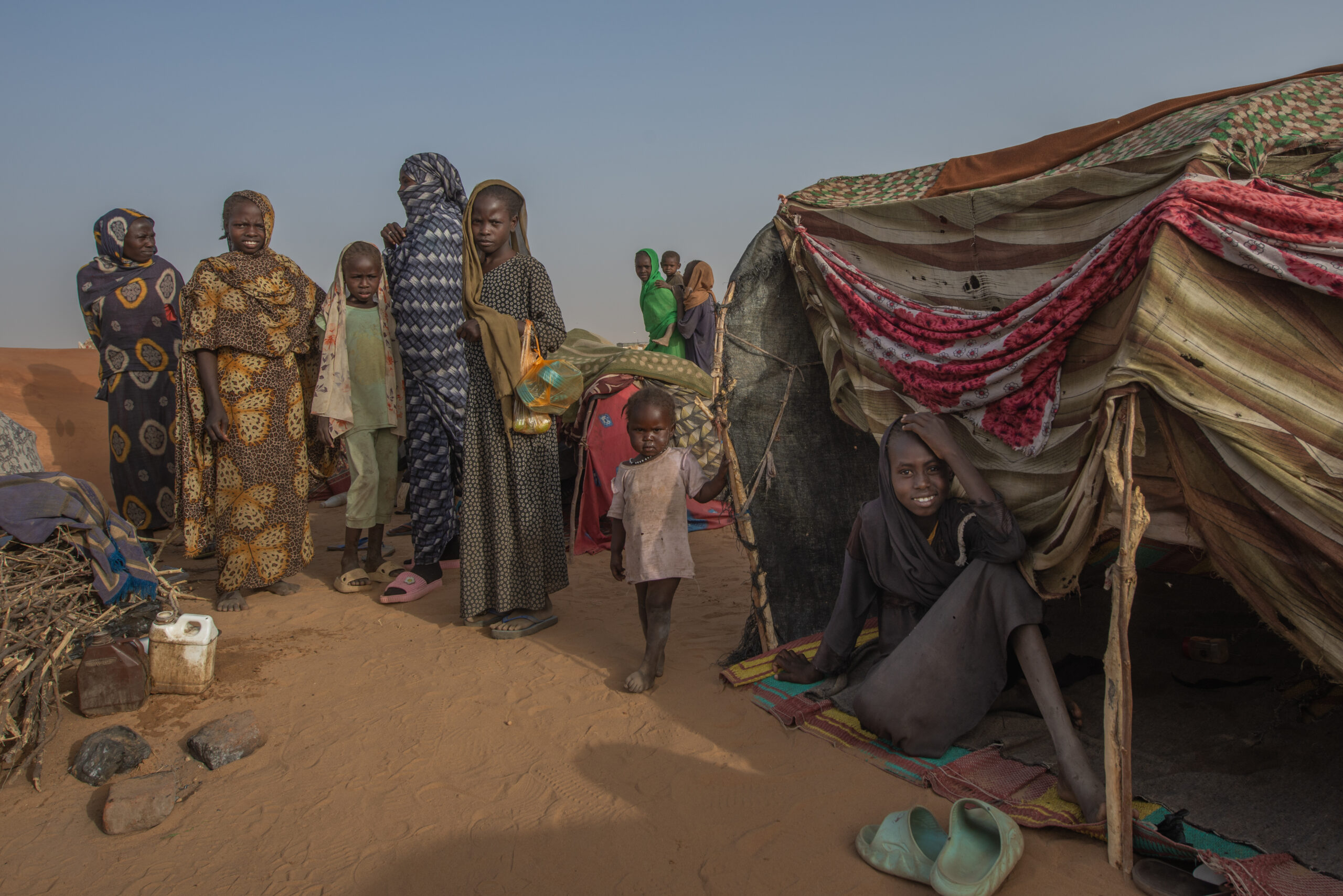
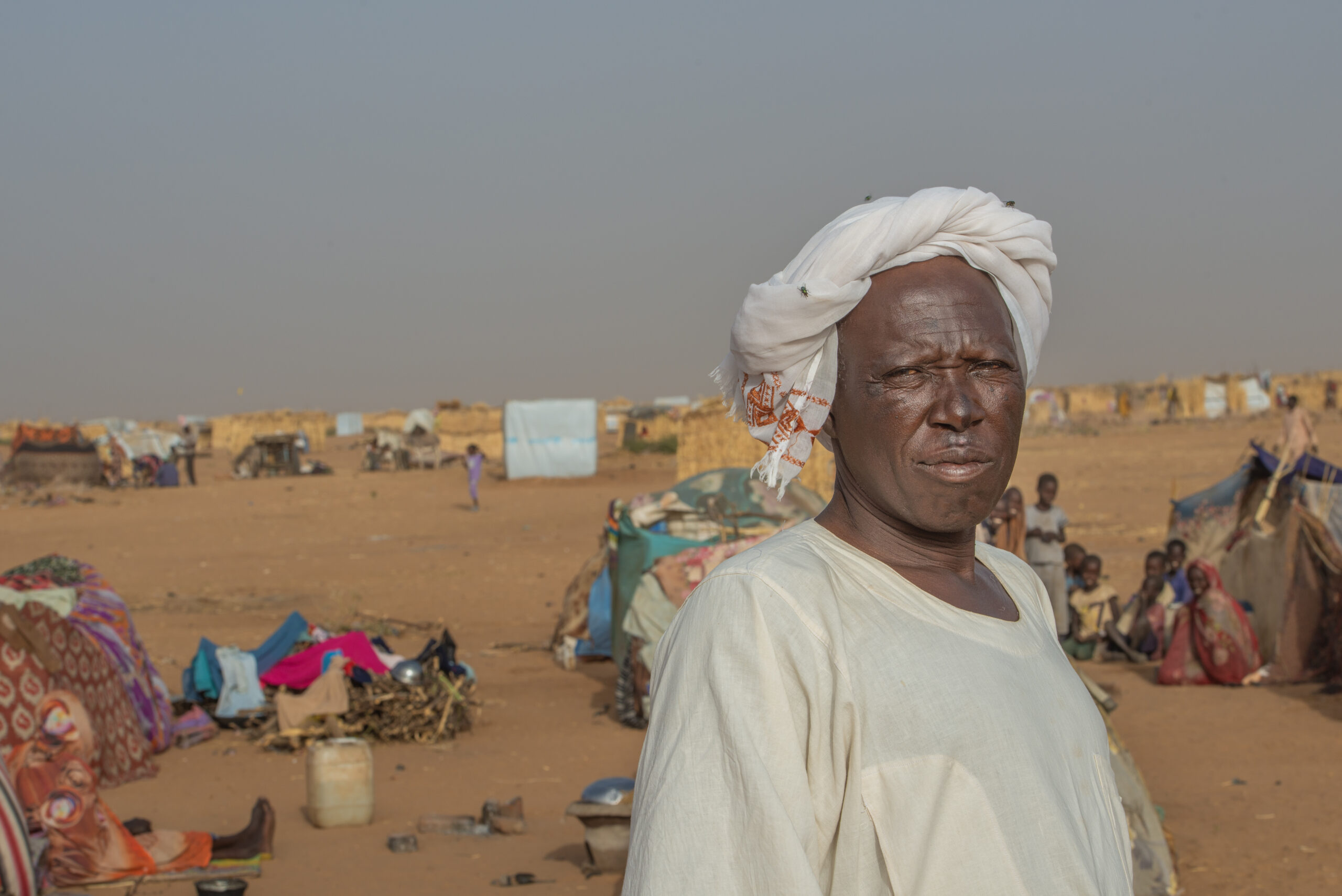
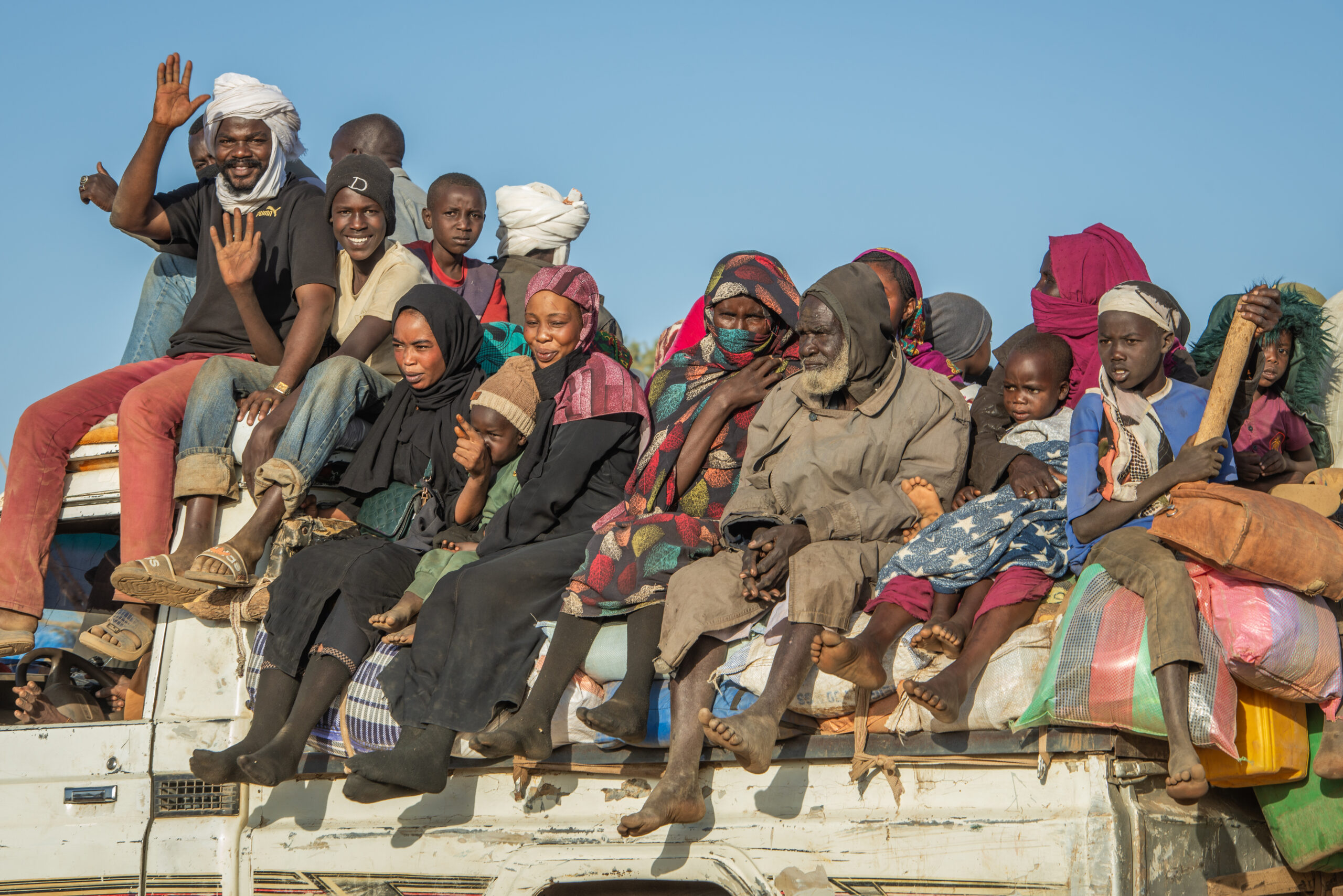
Sudan is facing the world’s largest humanitarian crisis. More than 33 million people need humanitarian assistance after three years of war, and millions have been forced from their homes. In Darfur, western Sudan, the town of Tawila has become a refuge for close to a million displaced people — one of the largest concentrations of displaced people anywhere in the world.
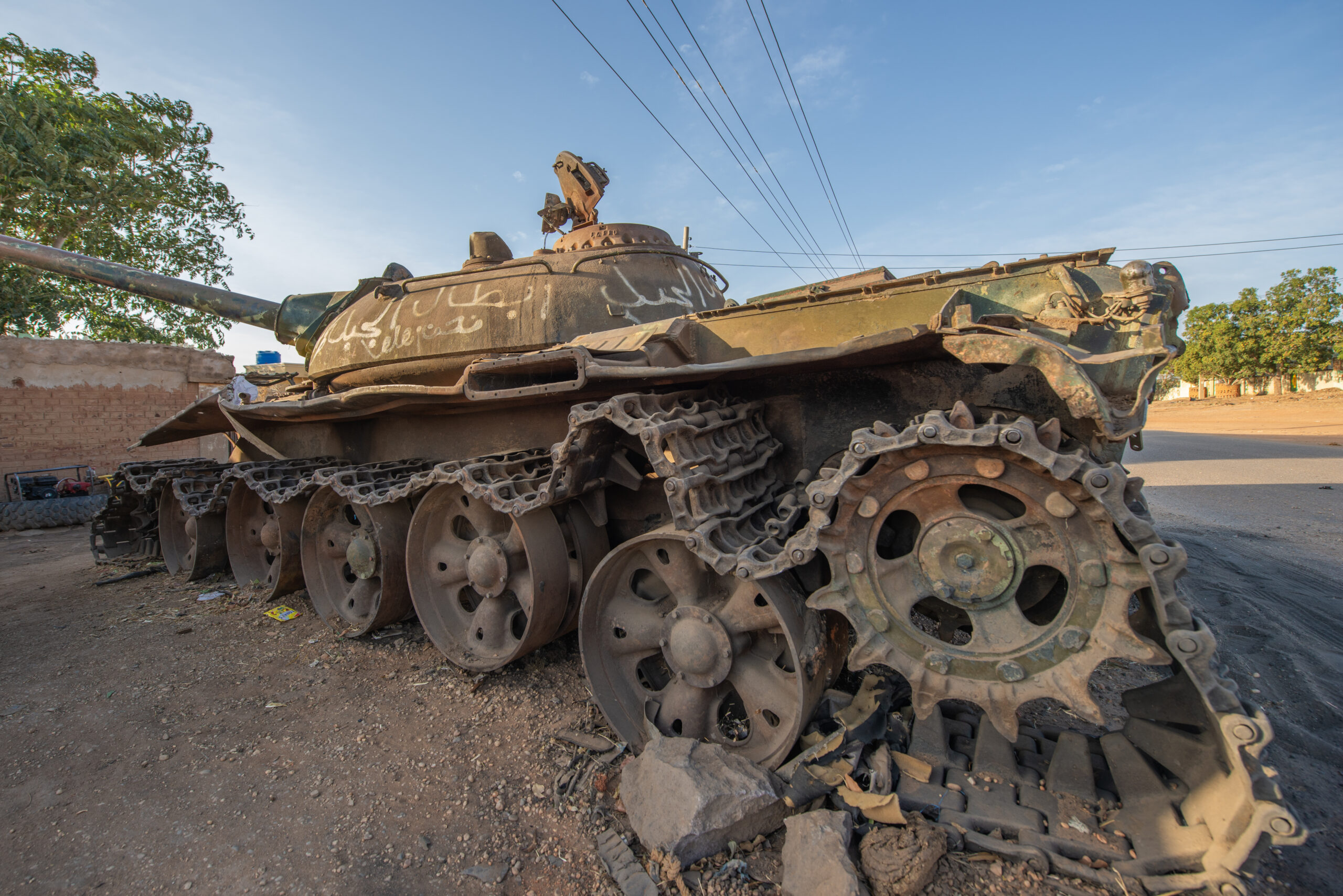
When I first visited Darfur more than 20 years ago, the region was already scarred by war. Today, the violence has returned on an even more devastating scale. The fighting erupted in April 2023, when Sudan’s army and the paramilitary Rapid Support Forces (RSF) turned against each other.
The former allies had helped overthrow Sudan’s longtime ruler, Omar al-Bashir, in 2019 and later backed a military coup. Their subsequent struggle for control of the country has devastated communities and derailed hopes for civilian rule. In Darfur, it has reignited a history of ethnic persecution and mass atrocities.
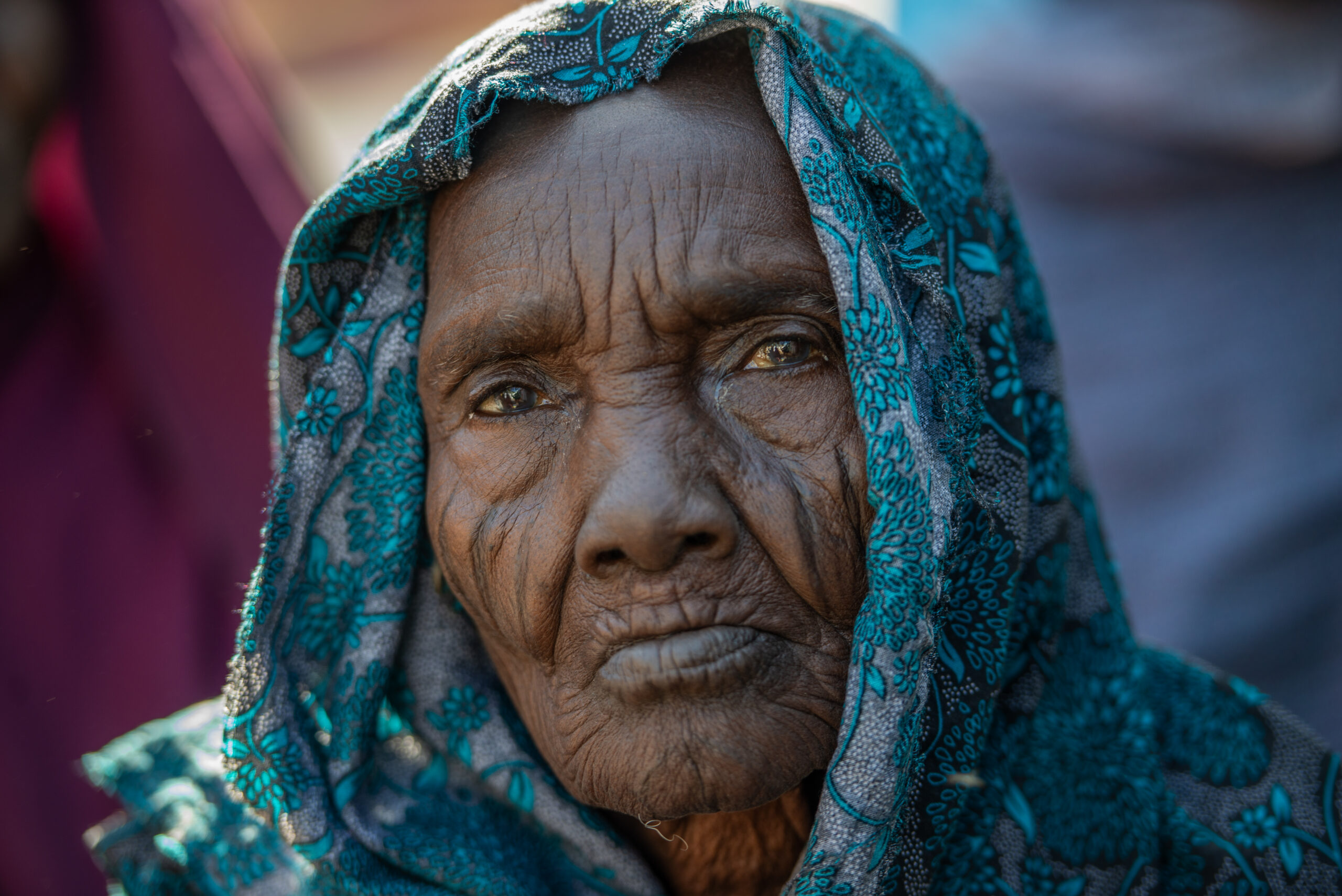
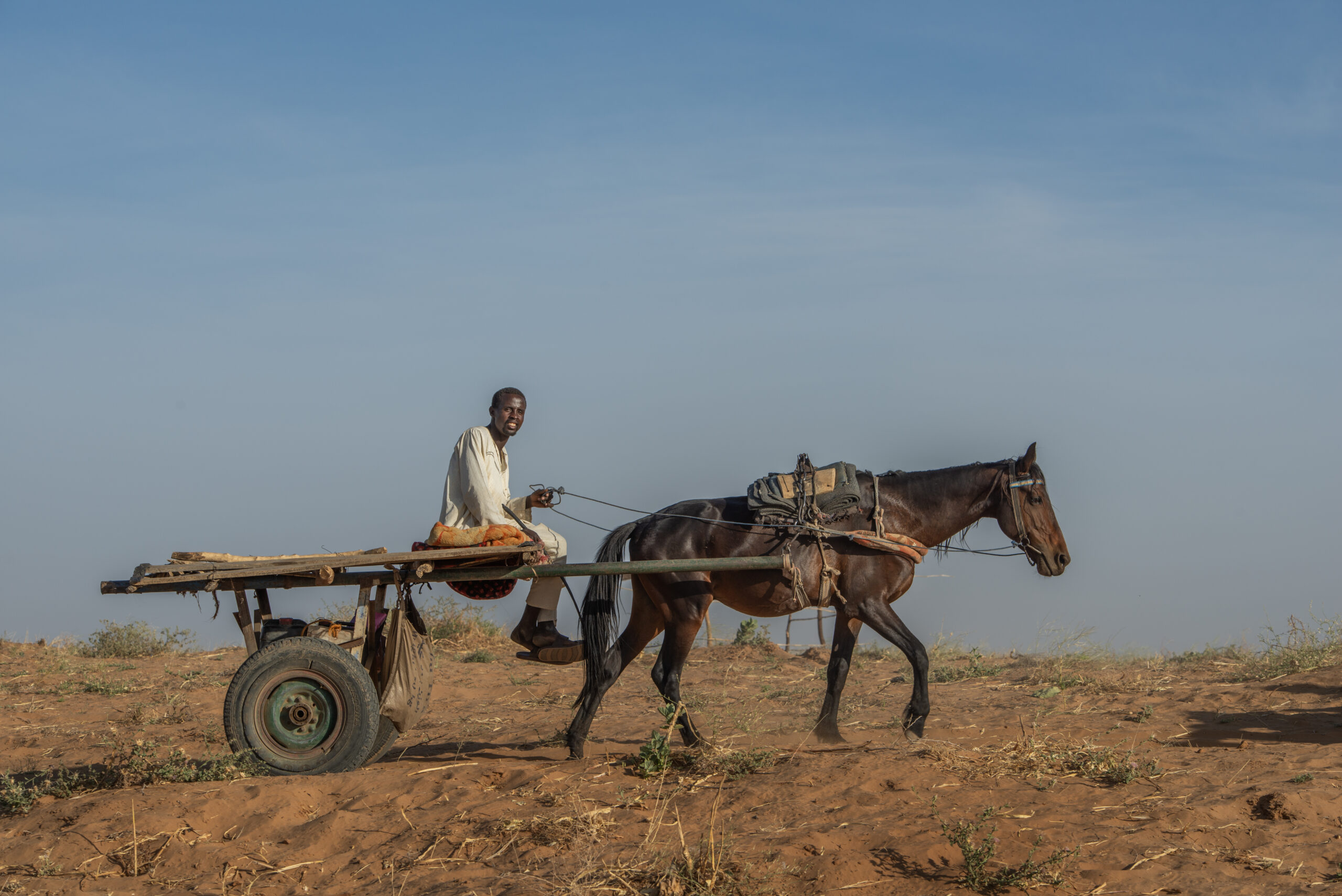
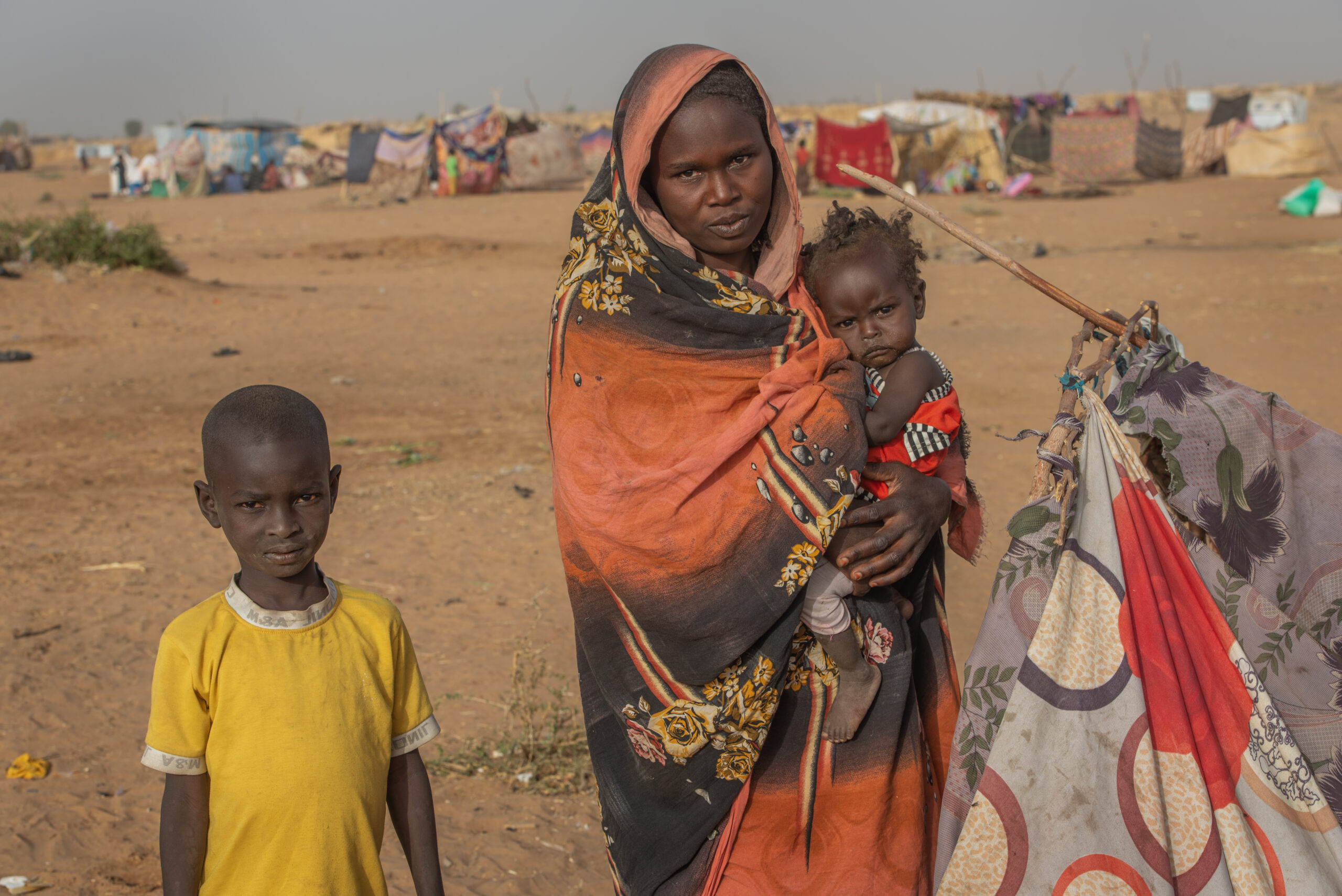
The RSF captured El Fasher, North Darfur’s regional capital, in October 2025 after an 18-month siege. As the city fell, families fled towards Tawila. Many had already been uprooted several times, arriving with little or nothing after journeys marked by violence. Among them was Jawaher Mohammed Saleh, who fled El Fasher on foot and by donkey cart with others. Along the way, fighters intercepted the group, robbed them and opened fire.
“They beat us,” she told me. “A woman and a man fleeing with us were shot dead in front of our eyes.” In Tawila, makeshift shelters stretch across the surrounding landscape. For those who escape the fighting, the struggle continues: food is scarce, clean water is hard to find and medical services are overwhelmed.
Cholera has spread through overcrowded settlements with inadequate sanitation. Malnutrition rates among newly arrived children are alarmingly high, with some requiring urgent treatment. Families struggle to find enough to eat, while collecting water can mean hours of waiting.
Humanitarian organisations provide food, healthcare, vaccinations and clean water, but needs far exceed their capacity. Insecurity, access restrictions and funding shortages hamper the response, while the influx puts further pressure on host communities.
As Sudan’s war enters its fourth year, Tawila illustrates the scale of the challenge facing aid agencies. Providing adequate food, clean water, healthcare and shelter to a population of this size remains a formidable task.







Peter Biro is a documentary photographer, writer and humanitarian communications professional based in Nairobi. He began his career in newspaper journalism and has spent more than 30 years reporting from conflict zones and displacement crises across Africa, the Middle East and Asia. His work with the United Nations, the International Rescue Committee and the European Union’s humanitarian aid department has taken him across some of the world’s most troubled regions, where he documents the human consequences of war and forced displacement.
Instagram